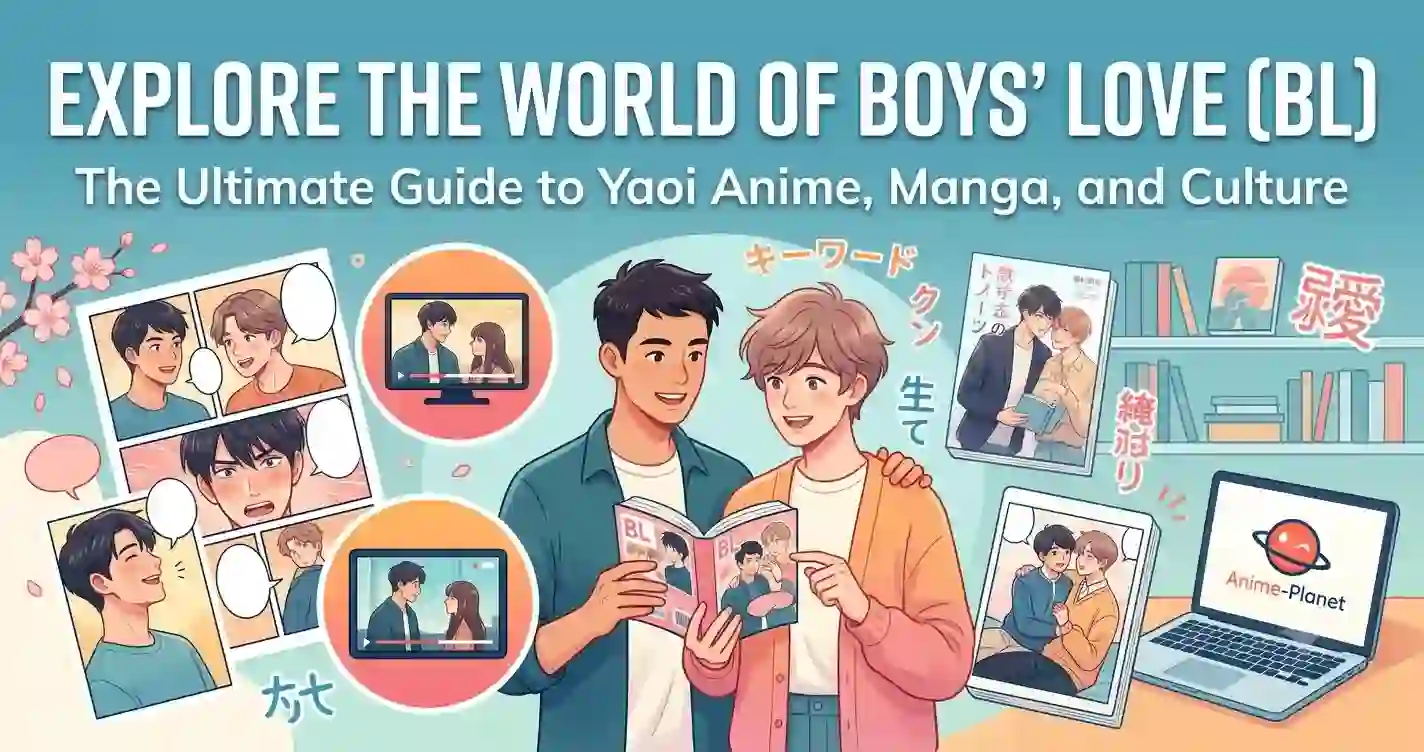
Are you struggling to find authentic, high-quality information about the Boys’ Love genre without getting lost in confusing terminology? Misinterpreting media tropes can lead to frustrating reading experiences and missed story gems. This definitive guide breaks down the rich history, cultural evolution, and top recommendations of the genre so you can explore it with confidence.
1. What is Yaoi? Definition and Core Meaning
Yaoi refers to a popular genre of Japanese media focused on romantic and relationships between male characters. Created primarily by women for a female audience, the term originated in the 1970s as an acronym for “yama nashi, ochi nashi, imi nashi” (meaning “no climax, no point, no meaning”).
Today, it sits under the broader umbrella of Boys’ Love (BL). While the term historically implied explicit themes, modern fans and creators use it interchangeably with BL to describe diverse stories ranging from lighthearted school romances to deep emotional dramas.
- Primary Focus: Male-male romantic relationships (Shounen-ai).
- Target Audience: Historically female readers, now enjoyed by a diverse global fanbase.
- Format: Manga, anime, light novels, drama CDs, and live-action adaptations.
2. History and Evolution of Boys’ Love Media
The roots of the genre trace back to 1970s shoujo manga, led by pioneering female artists known as the Year 24 Group. Creators like Keiko Takemiya and Moto Hagio introduced delicate, romantic male relationships into mainstream girls’ comics.
During the 1980s, self-published fan comics (doujinshi) reshaped the landscape. Fans created parody works featuring popular anime characters, cementing the term within pop culture. By the 1990s and 2000s, commercial publishers launched dedicated magazines, turning a niche subculture into an international publishing phenomenon.
3. Yaoi vs. Shounen-ai vs. BL: Key Differences Explained
Understanding terminology helps fans navigate content catalogs effectively. While publishers often group these categories together, distinct differences exist in content and tone.
| Category | Primary Focus | Content Explicit Level | Typical Themes |
| Yaoi | Romantic & Physical Relationships | Explicit / Mature | Passion, drama, adult relationships |
| Shounen-ai | Emotional Romance | Non-explicit / PG-13 | Young love, emotional bonds, coming-of-age |
| Boys’ Love (BL) | Universal Umbrella Term | All levels | School life, fantasy, workplace romance |
| Bara / MLWL | Media by gay men for gay men | Varies | Masculine character designs, realistic experiences |
4. Key Tropes and Character Archetypes
Character dynamic plays a central role in story structure. Historically, stories relied on specific pairing roles:
- Seme (Top): The dominant or pursuing partner in the relationship dynamic.
- Uke (Bottom): The receptive or pursued partner in the relationship dynamic.
Modern stories frequently subvert these classic tropes. Contemporary creators focus on balanced power dynamics, mutual respect, and complex character development rather than rigid roles.
5. Cultural Impact and Global Popularity
The global expansion of Japanese animation and comics brought BL media into mainstream international culture. Online streaming services, digital manga platforms, and global fan communities have made the genre accessible worldwide.
Publishers and creators actively engage with international markets through official English translations. Fans utilize tracking platforms like Anime-Planet to catalog their reading lists, review series, and discover community recommendations.
6. How to Get Started: Top Manga Recommendations
For readers new to the medium, starting with highly acclaimed titles offers a great introduction to its storytelling breadth.
- Given by Natsuki Kizu: A grounded story following high school students in a rock band dealing with grief, music, and young love.
- Sasaki and Miyano by Shou Harbour: A sweet, slice-of-life romance about a boy who loves BL comics and his older schoolmate.
- Cherry Magic! Thirty Years of Virginity Can Make You a Wizard?! by Yuu Toyama: A charming workplace romantic comedy featuring supernatural elements.
7. Iconic Anime Adaptations to Watch First
Anime adaptations offer vibrant visuals, expressive voice acting, and memorable soundtracks that bring beloved manga panels to life.
- Given: Celebrated for its realistic portrayal of youth, grief, and music production.
- Sasaki and Miyano: Perfect for viewers seeking lighthearted, wholesome romance.
- Stranger by the Shore (Umibe no Étranger): A visually stunning theatrical film exploring identity and emotional healing on a quiet island.
- Doukyuusei (Classmates): Features a unique art style and a fluid narrative about two high school boys preparing for their futures.
8. The Role of Doujinshi and Fan Culture
Self-published fan works, known as doujinshi, remain the creative engine of the industry. Events like Comic Market (Comiket) in Tokyo allow fan artists to sell original and derivative works directly to readers.
Many professional manga artists started their careers producing fan comics. This grass-roots ecosystem fuels innovation, giving emerging creators freedom to experiment with storytelling techniques before entering the commercial publishing world.
9. Common Misconceptions and Clarifications
- Misconception: The genre reflects real-world LGBTQ+ life in Japan.
- Fact: Most BL works are idealized romances created for entertainment rather than documentary representations, though modern titles increasingly explore realistic LGBTQ+ themes.
- Misconception: It is only consumed by one demographic.
- Fact: Readers across all genders and sexual orientations enjoy these stories worldwide.
10. Where to Read and Watch Legally
Supporting official releases ensures creators and publishers receive fair compensation for their work.
- Digital Manga: BookWalker, Renta!, Comixology, and Crunchyroll Manga.
- Physical Manga: Local comic shops, Viz Media, Sublime Manga, and Seven Seas Entertainment prints.
- Anime Streaming: Crunchyroll, Netflix, and HIDIVE.
- Community Databases: Use Anime-Planet to discover legal streaming sources, track your watchlist, and read verified user reviews.
Frequently Asked Questions
What does the word yaoi mean literally?
The word is an acronym for “yama nashi, ochi nashi, imi nashi,” which translates to “no climax, no point, no meaning.” It originated as self-deprecating humor among fan comic creators in 1980s Japan.
Is yaoi the same as Boys’ Love (BL)?
Boys’ Love (BL) is the modern umbrella term used by publishers for all male-male romance media. Yaoi specifically refers to explicit or mature titles within the broader BL category.
Who reads and creates BL content?
Historically, women created and read these stories for female audiences. Today, a diverse global audience of all genders and backgrounds reads, creates, and enjoys BL media.
What is the difference between yaoi and bara?
Yaoi/BL is traditionally created by women primarily for female audiences, emphasizing romantic aesthetics. Bara (also known as Men’s Love) is created by gay men for gay men, featuring realistic character designs and authentic community experiences.
Where can I legally read BL manga online?
You can read legal digital releases on platforms like BookWalker, Renta!, Sublime Manga, and Manga Planet. Tracking sites like Anime-Planet link directly to official streaming and reading providers.
Are there wholesome, non-explicit BL stories available?
Yes, many titles focus entirely on romance, character growth, and emotional connection without explicit adult content. Popular non-explicit titles include Sasaki and Miyano and Given.
Elevate Your Manga and Anime Journey
The world of Boys’ Love offers rich narratives, complex relationships, and diverse artistic styles. Whether you enjoy sweet coming-of-age stories or intense romantic dramas, there is a title waiting for you. Explore community databases like Anime-Planet to organize your reading list, engage with fellow fans, and support official releases today!